
African Wedding Dresses — Try-On Gallery
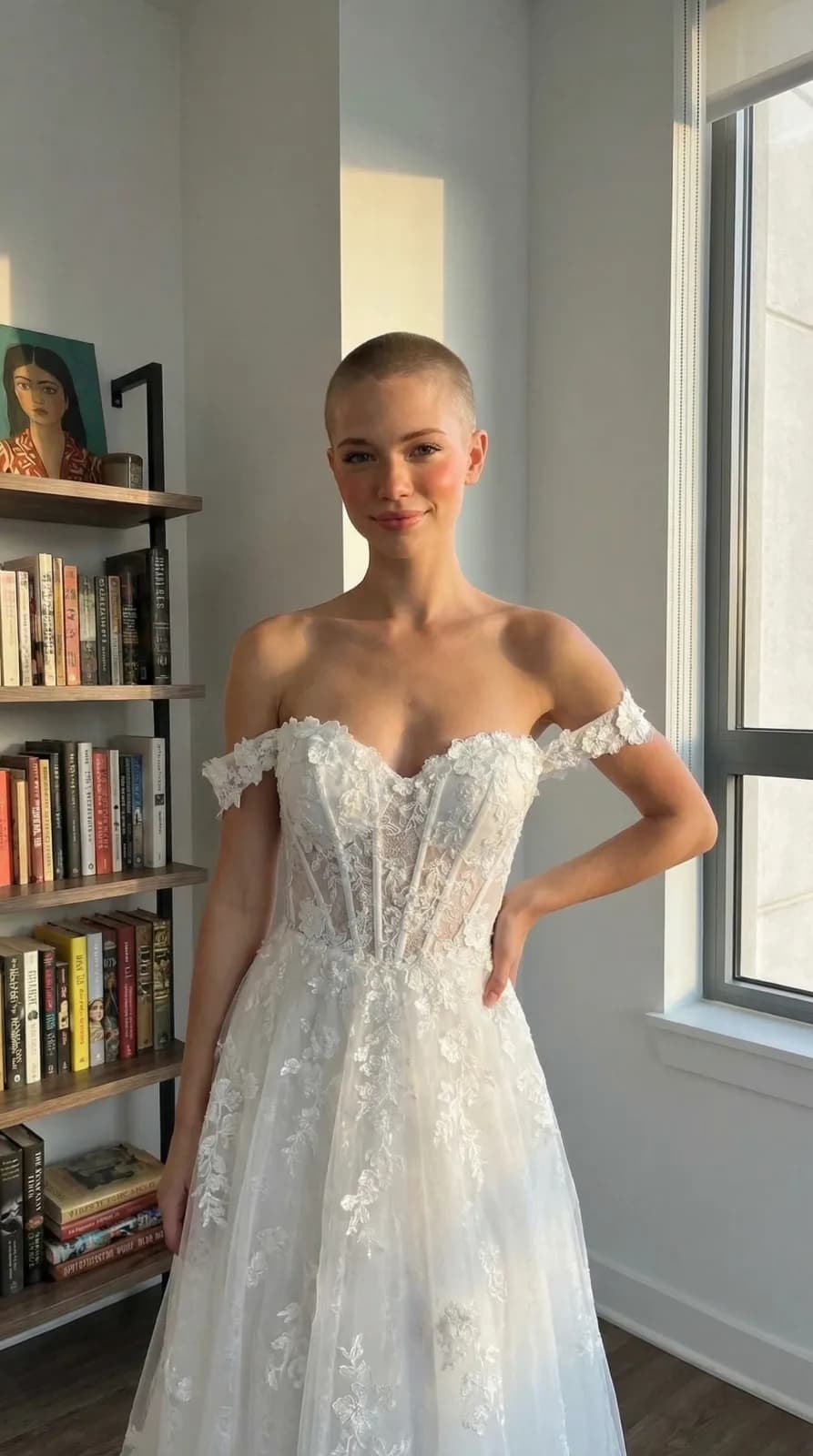
Aso ebi, kente, Ankara, habesha kemis, and modern fusion — heritage bridal silhouettes previewed on three body types.
Want to try these dresses on yourself? Upload a photo — AI does the rest.
Try It Free →Gallery renders use a lightweight model for fast page loads. The app delivers our full-fidelity try-on.
Try-Ons on Three Body Types
Tap the floating pill at the bottom of your screen to swap models.
Shop the African Wedding Dresses collection
When you’re ready to order, head directly to African Wedding Dresses.
About African Wedding Dresses
African wedding dresses are not a single category but a constellation of traditions, each with its own textile, silhouette, and ceremonial meaning. Yoruba brides wear aso ebi — literally "family cloth" — often cut from handwoven aso oke, chosen to signal unity across family and close friends. Ghanaian brides wear kente, a hand-woven silk and cotton strip cloth styled into kaba-and-slit two-piece looks, full-length gowns, or the traditional Dansinkran wrap. Ankara (African wax print) is the lingua franca of West African fashion, cut into mermaids, ballgowns, and corseted silhouettes across Nigeria, Ghana, and the diaspora. Ethiopian and Eritrean brides wear the habesha kemis, a handwoven cotton gown finished with tibeb embroidery and tilet thread detailing. Alongside these sit fusion gowns that pair heritage textiles with Western bridal cuts. This gallery covers that full range, rendered on three body types so brides can see how prints, panels, and structured silhouettes actually translate.
Traditional Silhouettes & Fabrics
Each tradition carries a distinct textile. Aso oke is a Yoruba handwoven cloth with variants like sayan (natural beige wild-silk), alarri (magenta silk), and etu. Kente is a Ghanaian strip-woven silk and cotton cloth whose color and pattern carry specific meaning. Ankara is a vibrant wax-printed cotton used across West Africa. Habesha kemis is a handwoven Ethiopian and Eritrean cotton gown, typically white or cream with tibeb embroidery at the hem, sleeves, and neckline. Silhouettes range from the kaba-and-slit two-piece to full-length A-lines, fitted mermaids, wrap gowns, and ankle-length shifts.
Ceremony Contexts
African weddings often include multiple ceremonies and multiple outfit changes. A Yoruba traditional engagement, a Ghanaian kente engagement, an Ethiopian wedding blessing, and a Western-style white wedding may all happen across a single weekend, each calling for a different look. Aso ebi is typically coordinated across the wider wedding party to signal family unity, while the bride herself wears a distinct, more elaborate version of the fabric. Habesha kemis is worn at religious ceremonies and family milestones as well as weddings.
Modern Fusion Direction
Contemporary African bridal increasingly blends heritage textiles with modern construction — a kente bodice with a silk or tulle skirt, an Ankara mermaid with a corseted lace overlay, or a habesha-inspired gown cut with a sculpted bridal silhouette. Designers across Lagos, Accra, Addis Ababa, London, and the U.S. diaspora are reinterpreting traditional cloth through Western bridal shapes, creating a fusion lane that is now its own established category.
Also worth comparing

Anthropologie
Anthropologie occasion dresses — denim midis, cotton poplin, and draped satin — previewed on three body types.
Azazie Bridal
Preview Azazie bridal silhouettes on three body types before you commit to a dress.
Try On African Wedding Dresses Dresses on Yourself
Upload one photo and our AI puts you in any dress — not just African Wedding Dresses, but anywhere you shop online.
Try It Free